Modern combi and system boilers run on a sealed circuit that should hold steady between about 1 and 1.5 bar when cold. If yours keeps dropping into the red zone and cutting out, the water is going somewhere — and finding out where matters, because the causes range from trivial to expensive.
Here are the four most common reasons boilers lose pressure, roughly in order of likelihood.
1. A small leak in the system
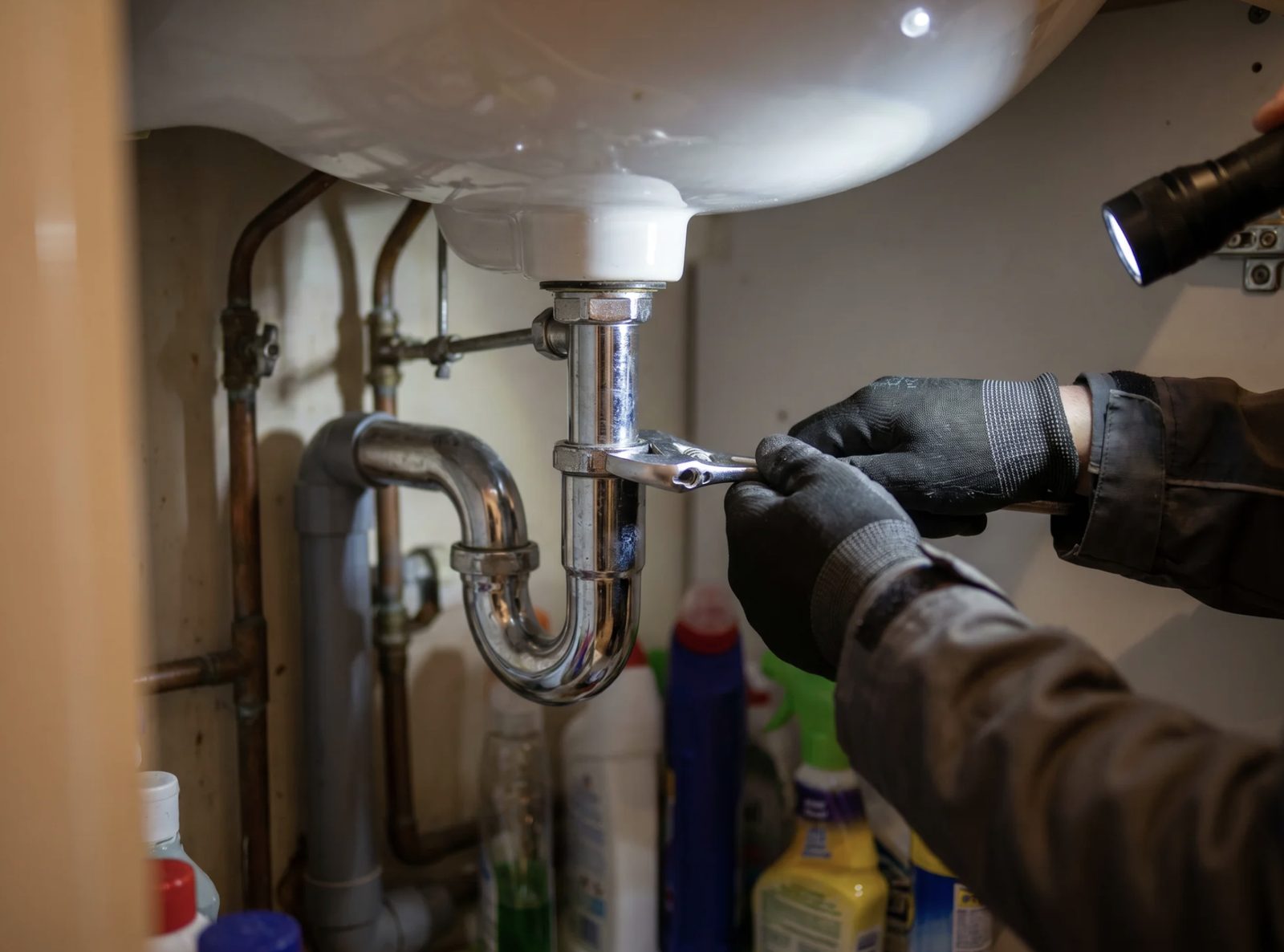
The most common culprit. It doesn't take much — a weeping radiator valve, a pinhole in a pipe under the floor, a seeping joint — to bleed pressure over days or weeks. Check visible pipework, radiator valves and under the boiler for damp, staining or limescale trails (white/green crusty deposits are the giveaway of a slow leak that evaporates before it puddles).
2. Recently bled radiators
Bleeding a radiator releases air from the system, and the pressure drops to fill the space. This is completely normal — you just need to top the system back up via the filling loop afterwards. If you bled radiators recently and the pressure dropped once, that's your answer.
3. A failed pressure relief valve (PRV)
The PRV is a safety valve that dumps water outside if pressure climbs too high. Once they've operated a few times they can fail to reseal, letting water dribble away continuously. Check the copper discharge pipe outside (usually poking through the wall near the boiler) — if it's dripping, the PRV likely needs replacing.
4. A faulty expansion vessel
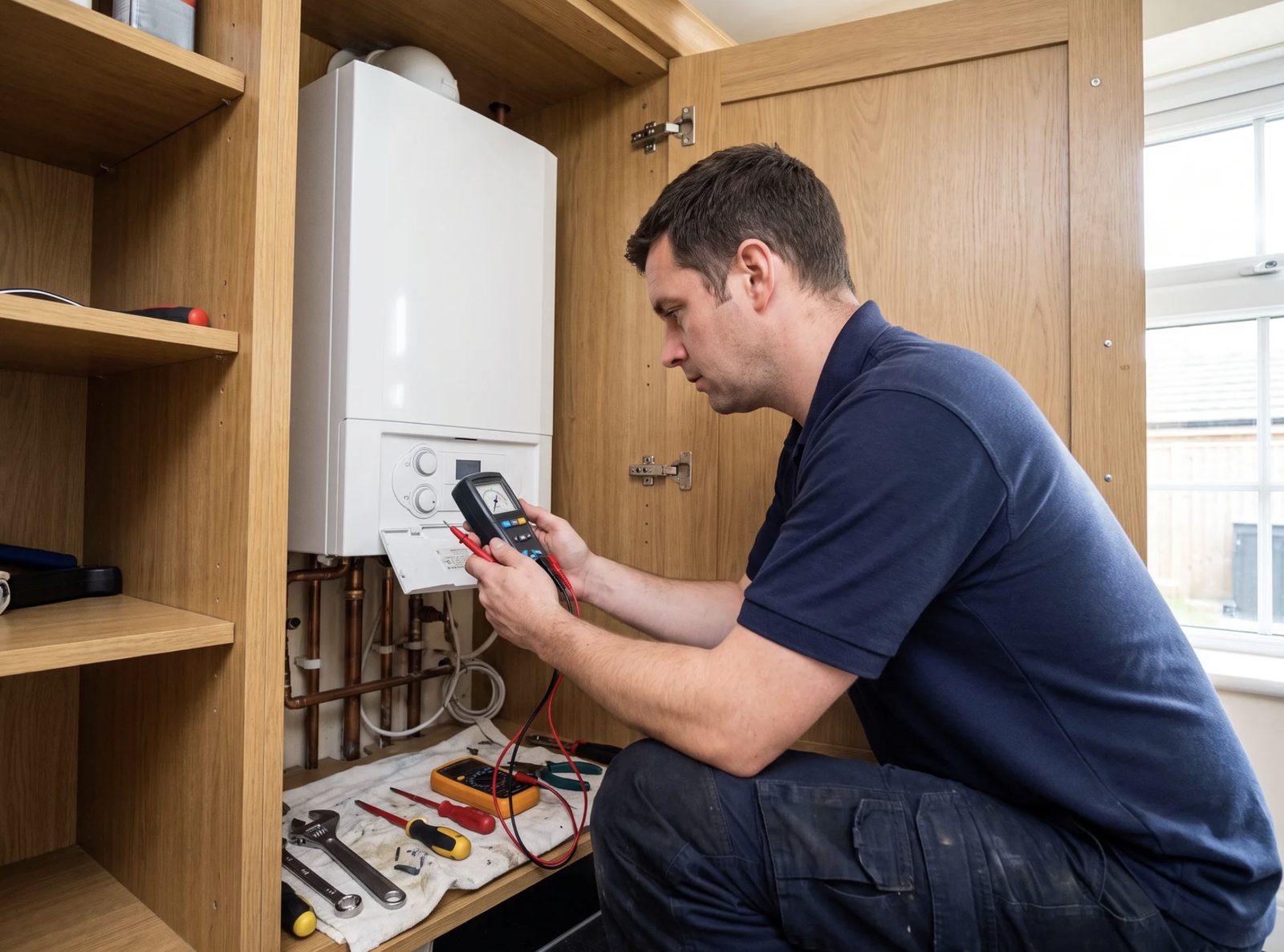
The expansion vessel absorbs the natural pressure rise as water heats. When its internal diaphragm fails or its air charge depletes, you'll typically see pressure shoot up high when the heating runs, the PRV discharge, and then low pressure once things cool. Recharging or replacing the vessel is an engineer job, but it's routine.
How to re-pressurise your boiler
Find the filling loop (usually a braided silver hose with one or two small valves beneath the boiler). With the boiler off, open the valve(s) slowly until the gauge reads about 1.2 bar, then close them firmly. If you're topping up more than once every few months, something is wrong — occasional top-ups are normal, weekly ones are a leak.